Any museum can share information, but few offer an experience.
Conner Prairie is one of those places where history comes alive through immersive storytelling, hands-on exploration, and thoughtfully designed spaces that invite families to learn together. Whether you're visiting with toddlers, school-age children or a loved one with a disability, a little planning can help make your visit even more enjoyable.
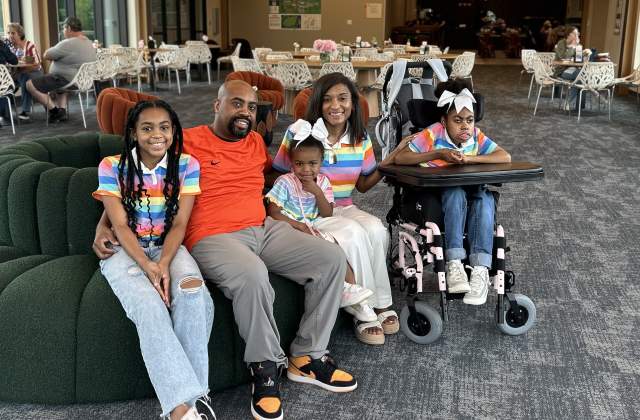
Our family recently spent the day exploring Conner Prairie, and as a mom of a child with complex medical needs, I experienced the museum through a different lens. I noticed the accessibility features that made our visit easier, along with a few things I wish I had known before we arrived.
If you're planning a visit with a child or loved one with a disability, here are a few tips to help your day go as smoothly as possible.
Here’s what to know before you go.
Start Your Visit at Power of Place
Back to Top of ListWhen we first walked into the Museum Experience Center, we headed straight for Power of Place and I’m so glad we did.
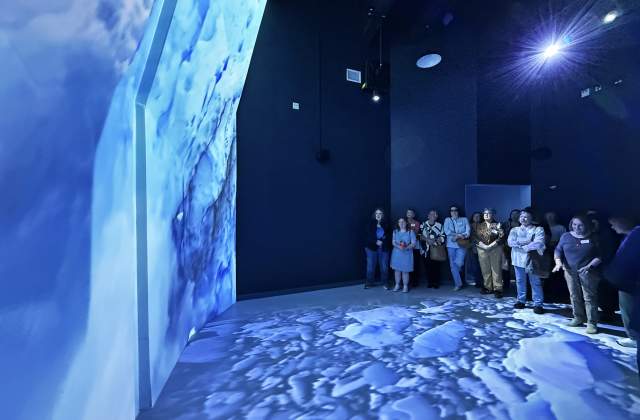
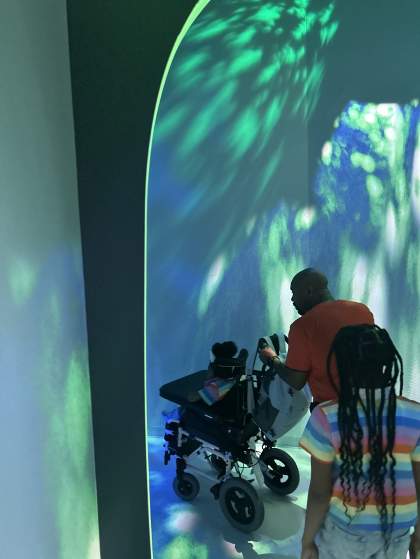
This immersive exhibit tells the story of Indiana’s landscape and the people who shaped it through stunning visuals, surround sound and a captivating LED tunnel that immediately transports you back in time. Rather than reading information on signs, you feel like you’re stepping into the story itself.
It was one of the most visually impressive exhibits we experienced all day.
Know Before You Go
If your child is sensitive to loud sounds, bring noise-canceling headphones. The audio isn’t constant, but there are moments when it becomes quite immersive.
The exhibit also features changing lights and LED displays. Our daughter Cydney has epilepsy, and thankfully this exhibit did not trigger any seizure activity. Every child is different, though, so families should use their own judgment if flashing lights are a concern.
For our family, it struck a wonderful balance between engaging and immersive without feeling overwhelming. It creates a sense of wonder that makes it a great starting point for visitors of all ages and sets the tone for the rest of the Conner Prairie experience.
Again, if your child has a seizure disorder that is sensitive to flashing or moving lights, you may want to skip this exhibit or preview it first, as some of the visual effects could be triggering.
Don’t Miss Wellspring
Back to Top of ListNext, we explored Wellspring, and it quickly became one of the biggest highlights of our visit.
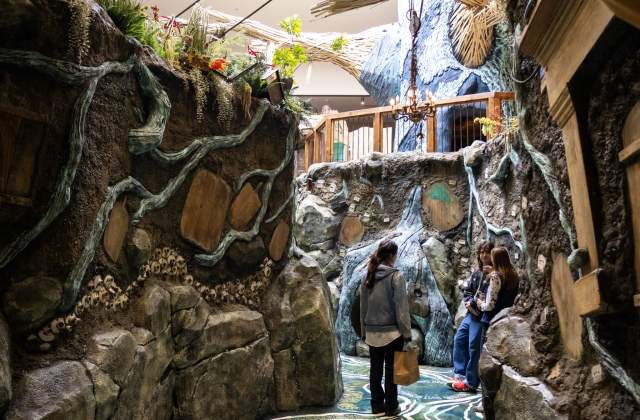
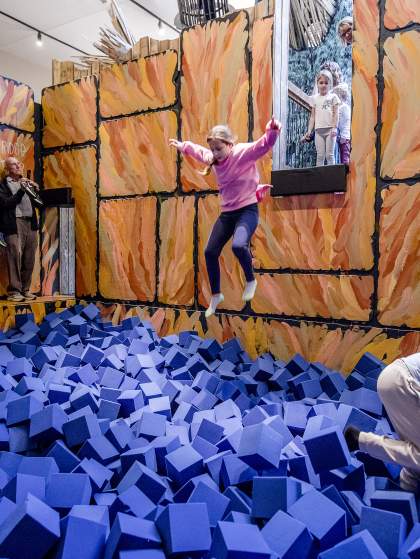
Designed for exploration and imaginative play, this indoor space encourages kids to climb, build, discover and move. The biggest attraction is the foam quarry, where children can jump, play and challenge themselves in a safe environment.
Our four-year-old really enjoyed this area and finally gathered enough courage to jump in the foam pit. Getting her to move on was not the easiest part of the day, but that's a good thing when the goal is family fun!
Know Before You Go
Plan more time here than you think you’ll need. Kids won’t want to leave.
Dress children in comfortable clothes that allow them to climb, crawl, and move freely.
This is a great stop before lunch if your kids need to burn off some energy.
This is not the most accessible area, so plan to talk to your child with a disability through the cool features of the environment that tell the story of history. You can also give them a little break in the sensory room while the other kids play here, if you have more than one adult with you. More details to come about the sensory room!
Harvest Café
Back to Top of ListAfter all that play and exploring at Wellspring, everyone was ready for lunch.
Harvest Café was such a pleasant surprise.
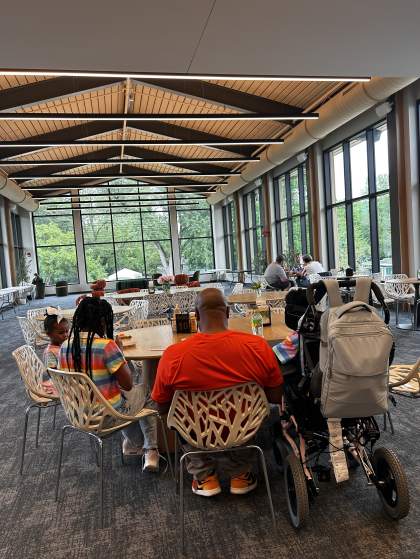
The café feels warm and inviting, with beautiful natural light pouring through large windows overlooking parts of Conner Prairie. Even while sitting down to eat, it still felt like we were part of the experience.
Menu options include an assortment of seasonal fare, ranging from hearty soups and salads to classic sandwiches and snacks, plus recently added brunch items such as artisanal bagels, freshly baked muffins and pre-made wraps.
If your child has feeding challenges or requires a specialized diet, I recommend bringing their meal in a thermos. Our daughter eats pureed foods, so having her lunch already prepared made the break much less stressful.
The café staff was very friendly, patient, and welcoming, which always makes a difference when dining with children.
Side note… this is one of the prettiest indoor locations in the museum to snap that family picture!
Know Before You Go
Visit before the lunch rush if you’re hoping for a quieter experience.
If your child has dietary restrictions, pack what they need so everyone can enjoy lunch together.
Accessibility Throughout the Museum
Back to Top of ListAccessibility wasn’t limited to one room.
Throughout our visit, we noticed wide walkways, huge elevators, spacious common areas and thoughtful design that made navigating the museum much easier.
We never felt like accessibility had been added as an afterthought.
Instead, it felt like families of all abilities had been considered from the beginning.
That sense of belonging is something every family deserves to experience.
Final Thoughts
Back to Top of ListConner Prairie is much more than a museum.
It’s a place where history is told through creativity, where children are encouraged to explore, and where families can create lasting memories together.
Will you see everything in one visit if you have a loved one with a disability?
Probably not.
And honestly, that’s okay.
Take your time. Prioritize the exhibits that fit your family’s interests. Build in breaks. Let your children set the pace instead of the schedule.
For our family, that approach made all the difference.
We left with tired feet, happy kids, wonderful memories, and already started talking about what we’d explore on our next visit.
If you’re planning a trip to Conner Prairie, I hope these tips help you feel a little more prepared and a lot more excited for the adventure ahead.